
Women in Shakespeare | 2022
This series was in response to “the objectifier.”
Sometimes, Shakespeare’s characters and their stories exist in objects. When we see a skull, we might think of Hamlet. When we see a dagger, we might think of Macbeth. A laurel crown might chaperone our thoughts to Julius Caesar; a crown divided suggests Richard II. These objects, in their own way, connote power.
Shakespeare's female characters are also associated with objects, but the effect is different. Women are objectified themselves. Her stage presence is comparatively small, her function is often peripheral to the male-centric plot. The female's role in Shakespeare risks being reduced to little more than the things she associates with. Lady Macbeth and her bloodied hands, Phoebe and her allegedly murderous eyes.
This series of portraits seeks to examine the relationship between woman and object — objects that define their character, mark their downfall.
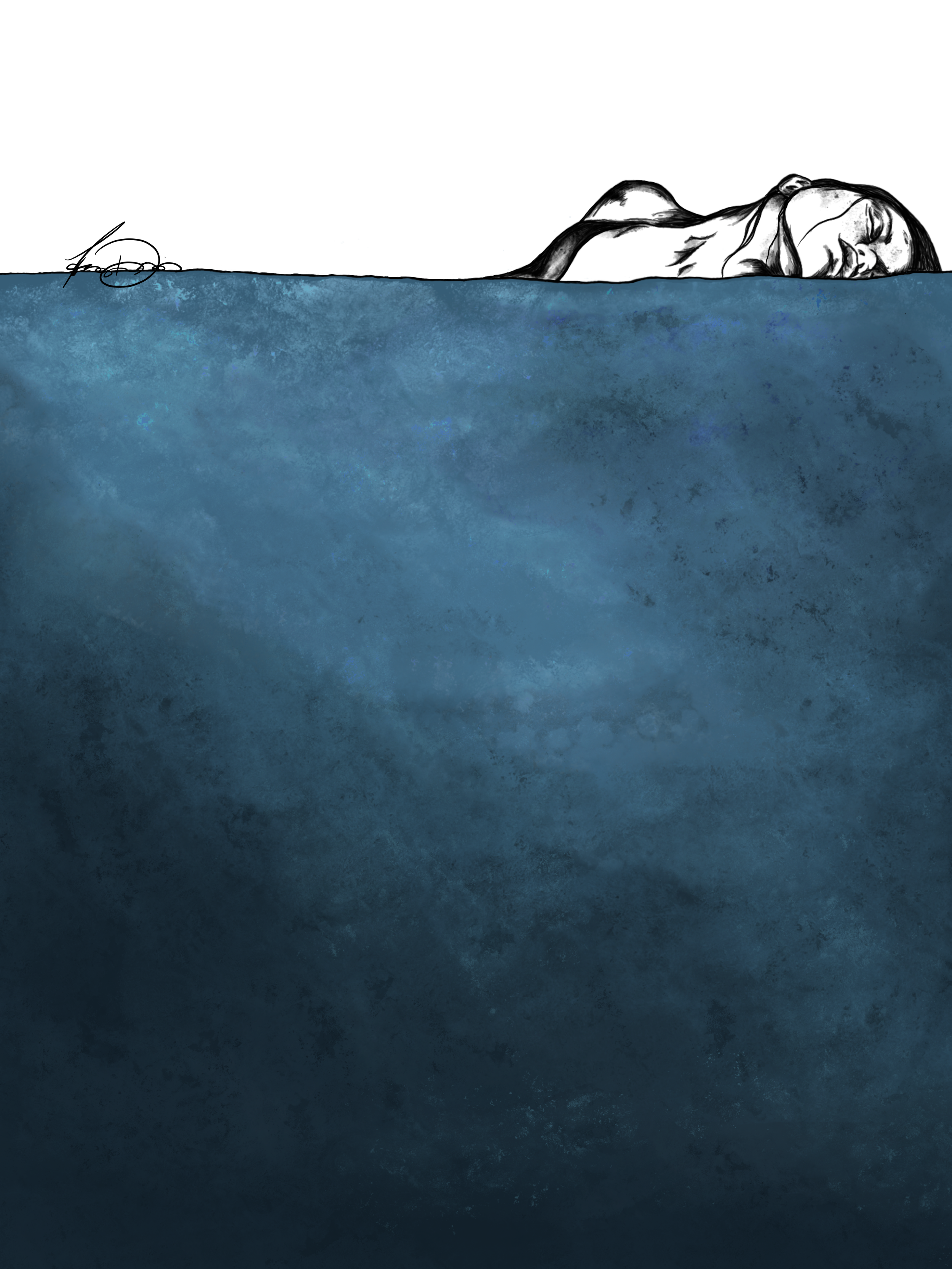
There on the pendent boughs her crownet weeds Clambering to hang, and envious sliver broke, When down her weedy trophies and herself Fell in the weeping brook. Her clothes spread wide And mermaid-like awhile they bore her up, Which time she chanted snatches of old lauds As one incapable of her own distress, Or like a creature native and endued Unto that element. But long it could not be Till that her garments, heavy with their drink, Pulled the poor wretch from her melodious lay To muddy death. Hamlet | Act 4, scene 7
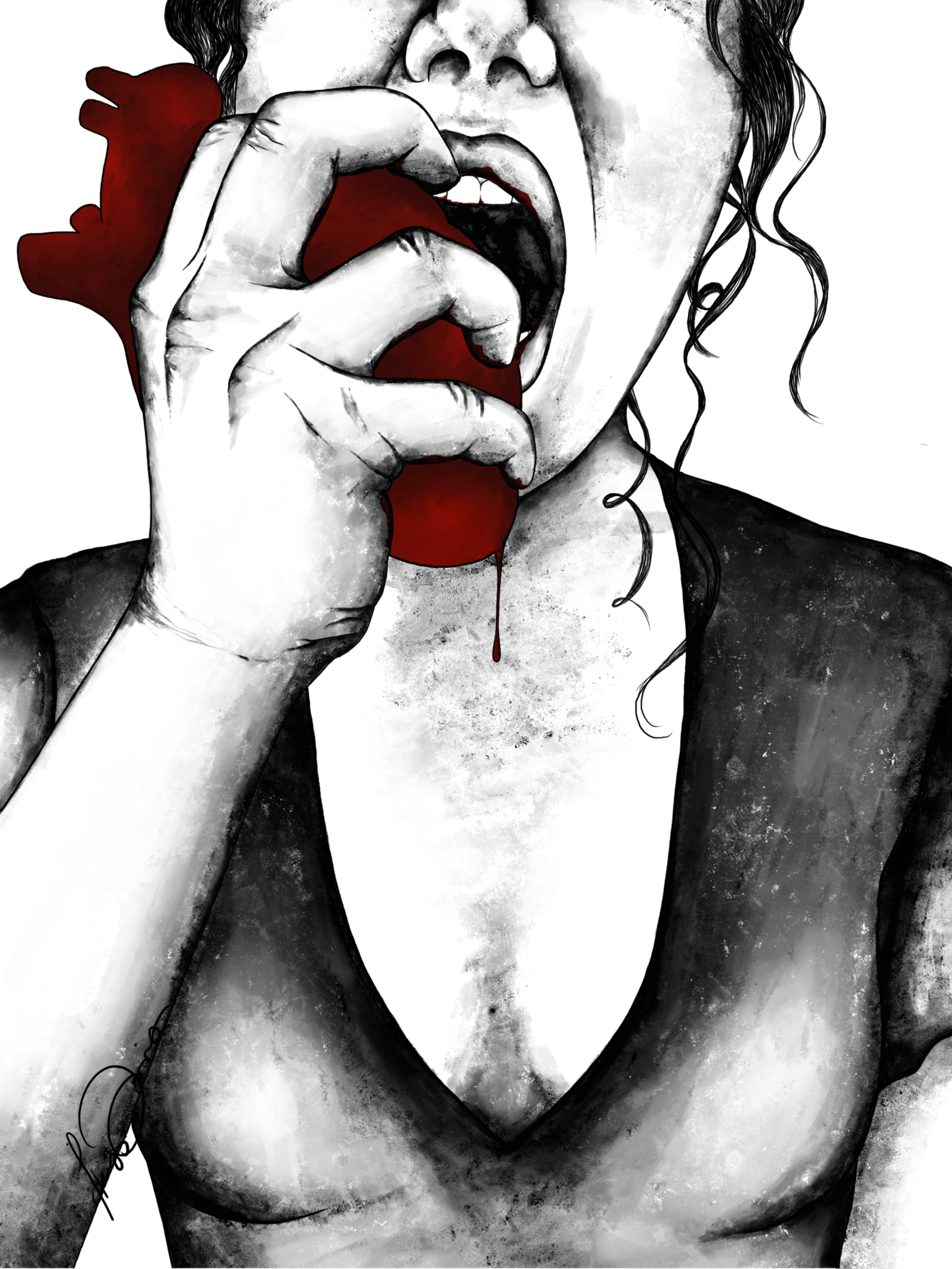
Is he not approved in the height a villain that hath slandered, scorned, dishonored my kinswoman? O, that I were a man! What, bear her in hand until they come to take hands, and then, with public accusation, uncovered slander, unmitigated rancor—O God, that I were a man! I would eat his heart in the marketplace. Much Ado About Nothing | Act 4, scene 1
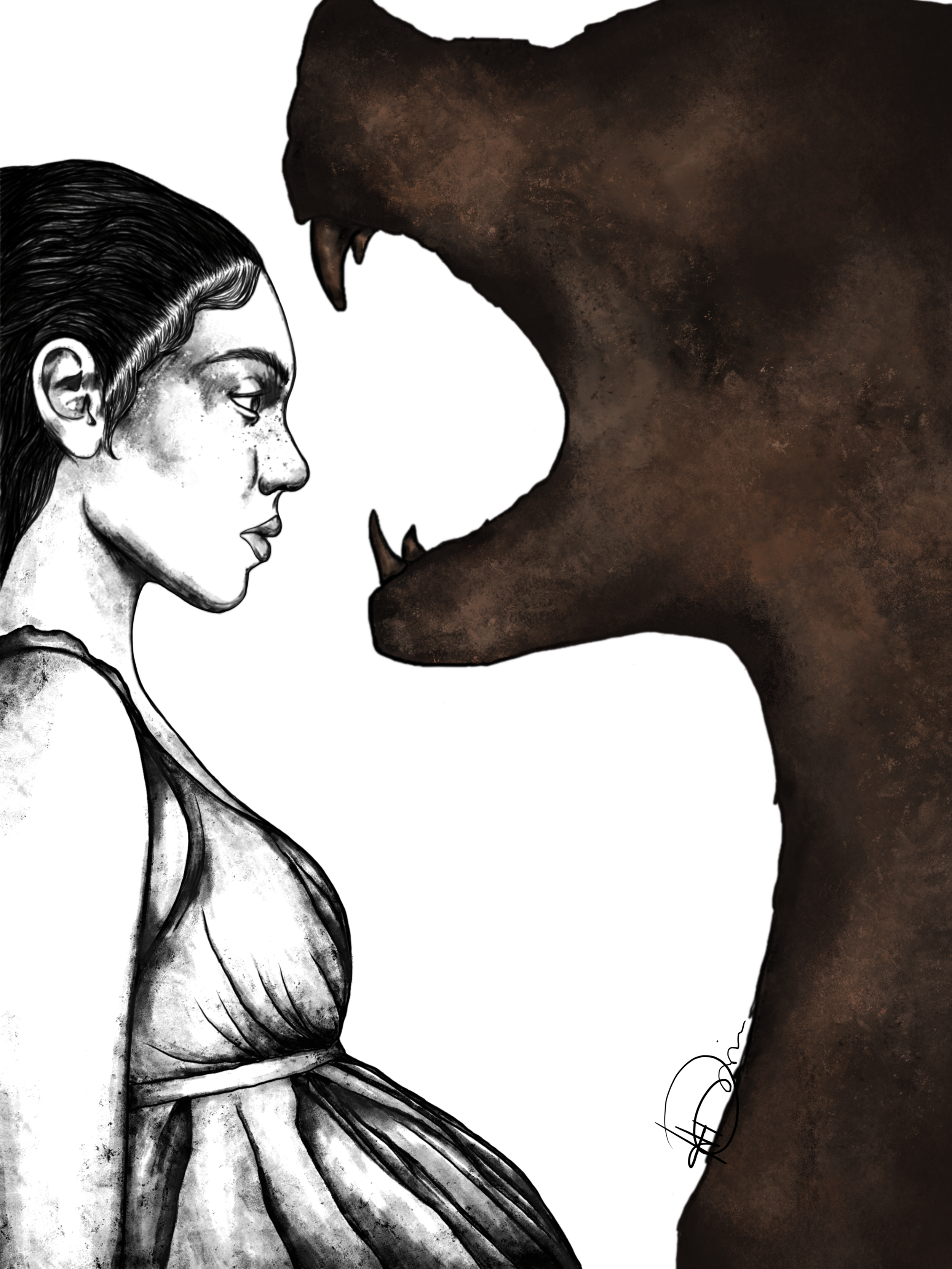
Sir, spare your threats. The bug which you would fright me with I seek. To me can life be no commodity. The crown and comfort of my life, your favor, I do give lost, for I do feel it gone, But know not how it went. The Winter's Tale | Act 3, scene 2
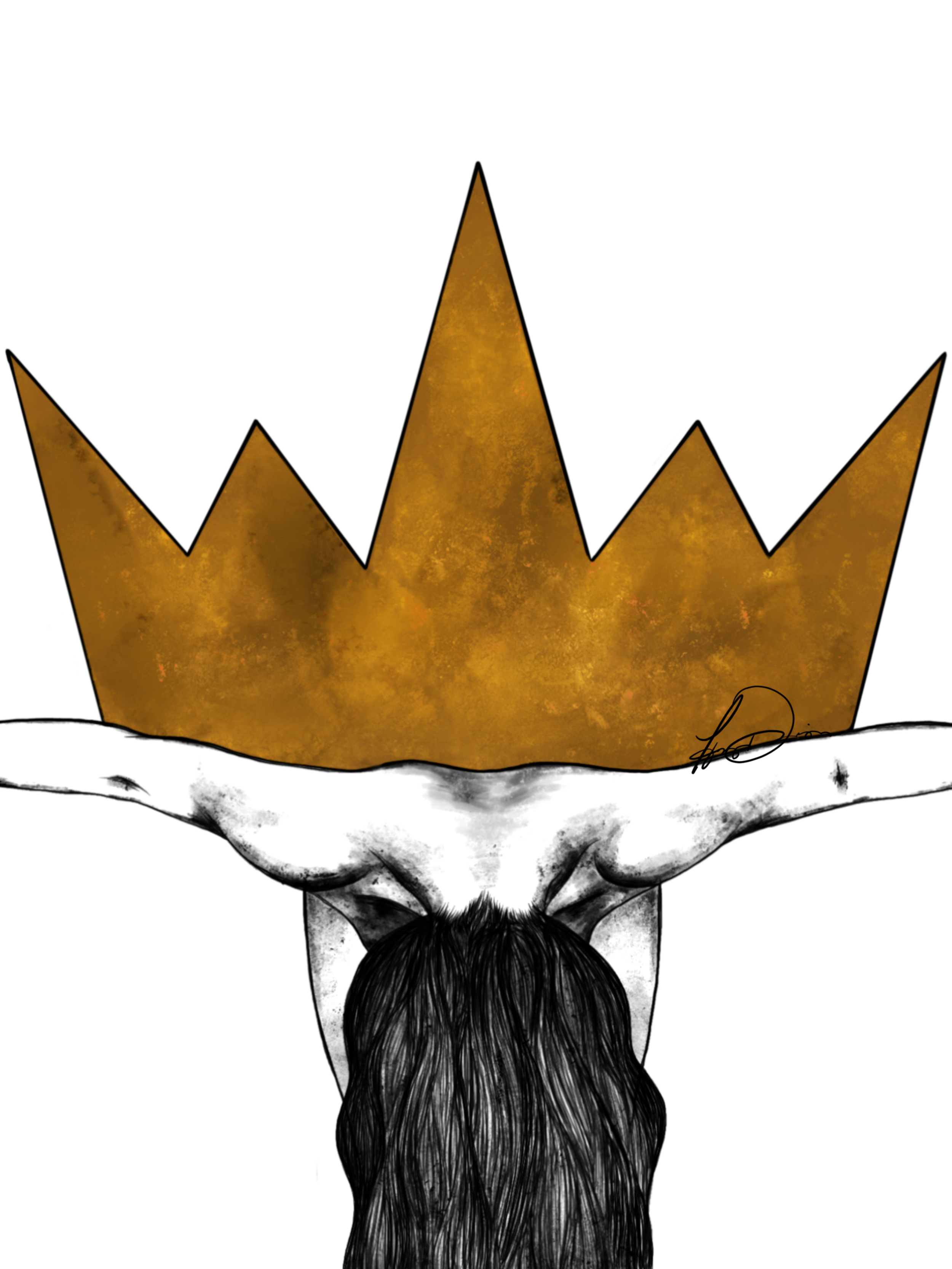
You have begot me, bred me, loved me. I return those duties back as are right fit: Obey you, love you, and most honor you. Why have my sisters husbands if they say They love you all? Haply, when I shall wed, That lord whose hand must take my plight shall carry Half my love with him, half my care and duty. Sure I shall never marry like my sisters, To love my father all. Cordelia | King Lear | Act 1, scene 1
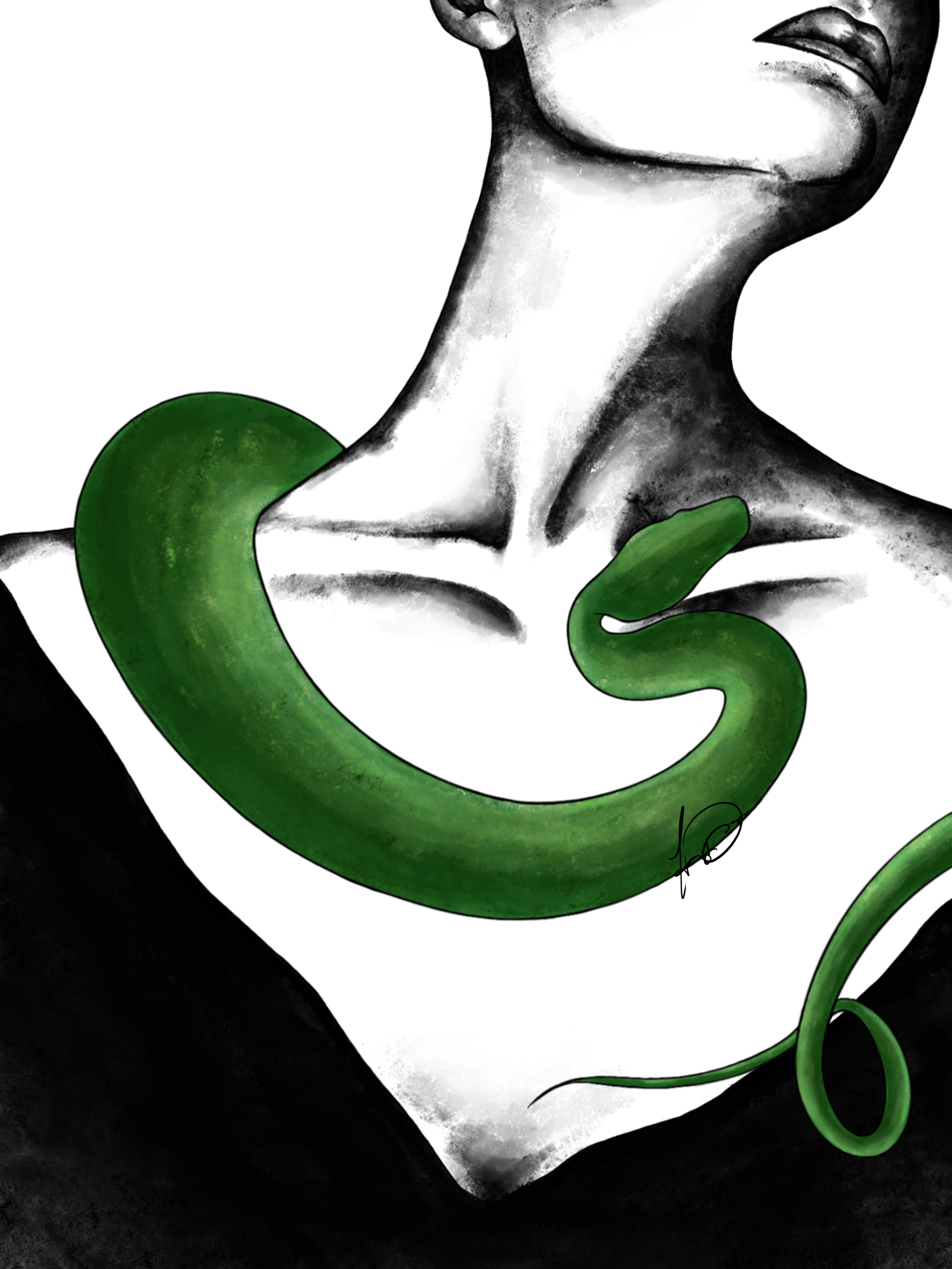
He’s speaking now, Or murmuring, “Where’s my serpent of old Nile?” For so he calls me. Antony and Cleopatra | Act 1, scene 5
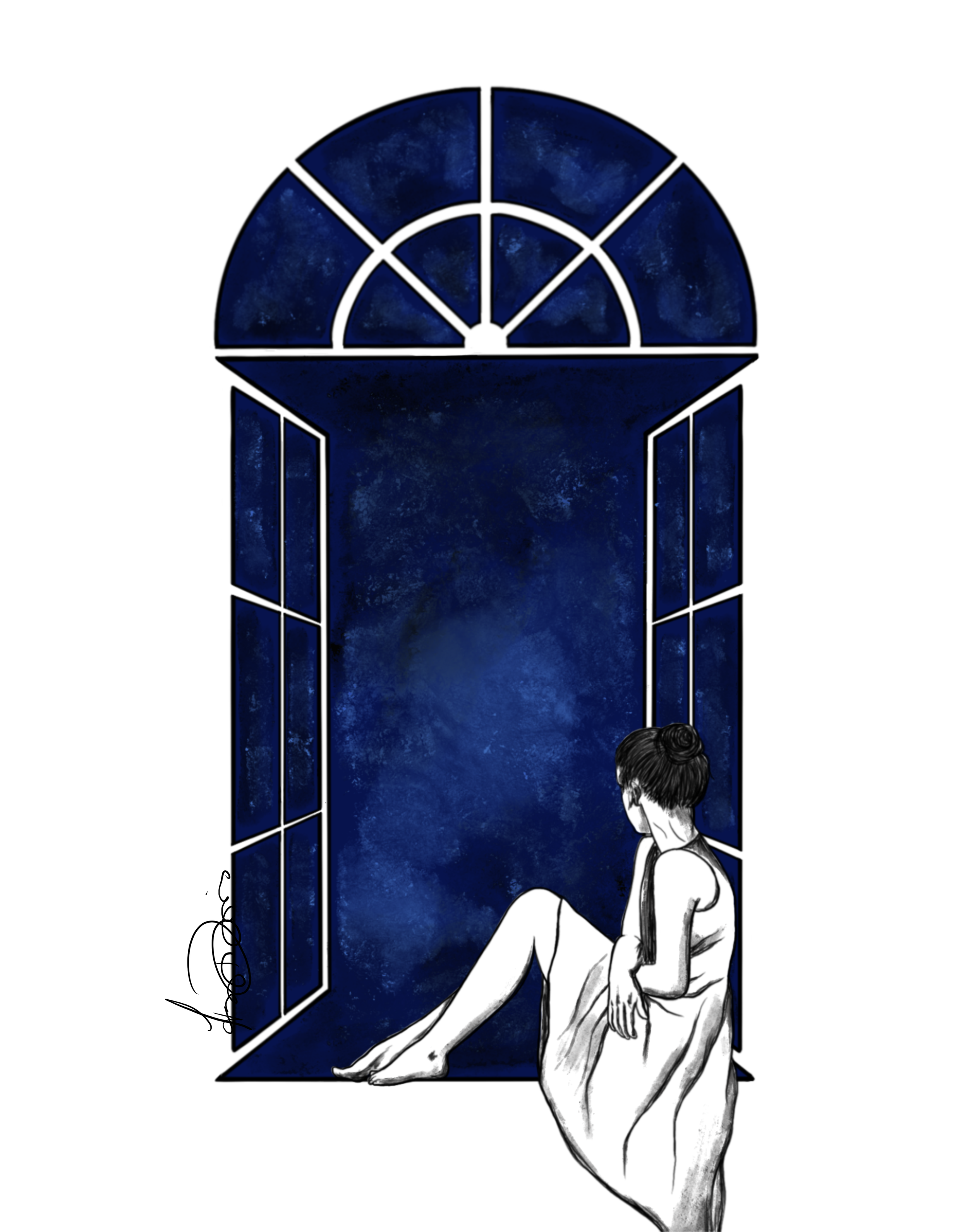
Hero itself can blot out Hero’s virtue. What man was he talked with you yesternight Out at your window betwixt twelve and one? Now, if you are a maid, answer to this. Much Ado About Nothing | Act 4, scene 1
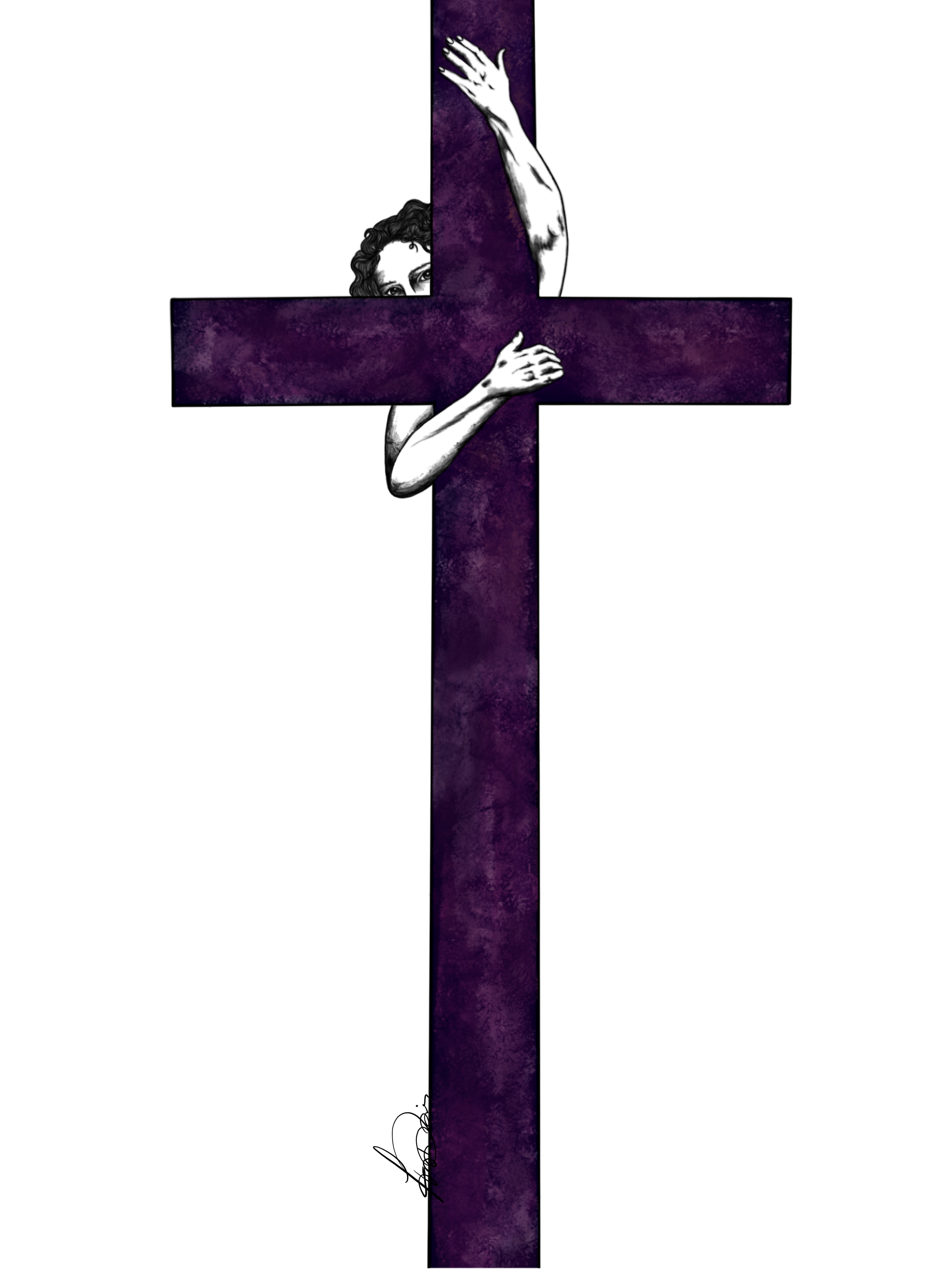
To whom should I complain? Did I tell this, Who would believe me? O, perilous mouths, That bear in them one and the selfsame tongue, Either of condemnation or approof, Bidding the law make curtsy to their will, Hooking both right and wrong to th’ appetite, To follow as it draws. Isabella | Measure for Measure | Act 2, scene 4
![Have you any commission from your lord to negotiate with my face? You are now out of your text. But we will draw the curtain and show you the picture. [Unveils] Look you, sir, such a one I was this present. Is’t not well done?
Twelfth Night | Act 1,](https://images.squarespace-cdn.com/content/v1/6924a6b6ee362a4481979a5e/88df5d9b-5b10-4e28-8128-5f9b763f3cc4/Olivia.png)
Have you any commission from your lord to negotiate with my face? You are now out of your text. But we will draw the curtain and show you the picture. [Unveils] Look you, sir, such a one I was this present. Is’t not well done? Twelfth Night | Act 1, scene 5
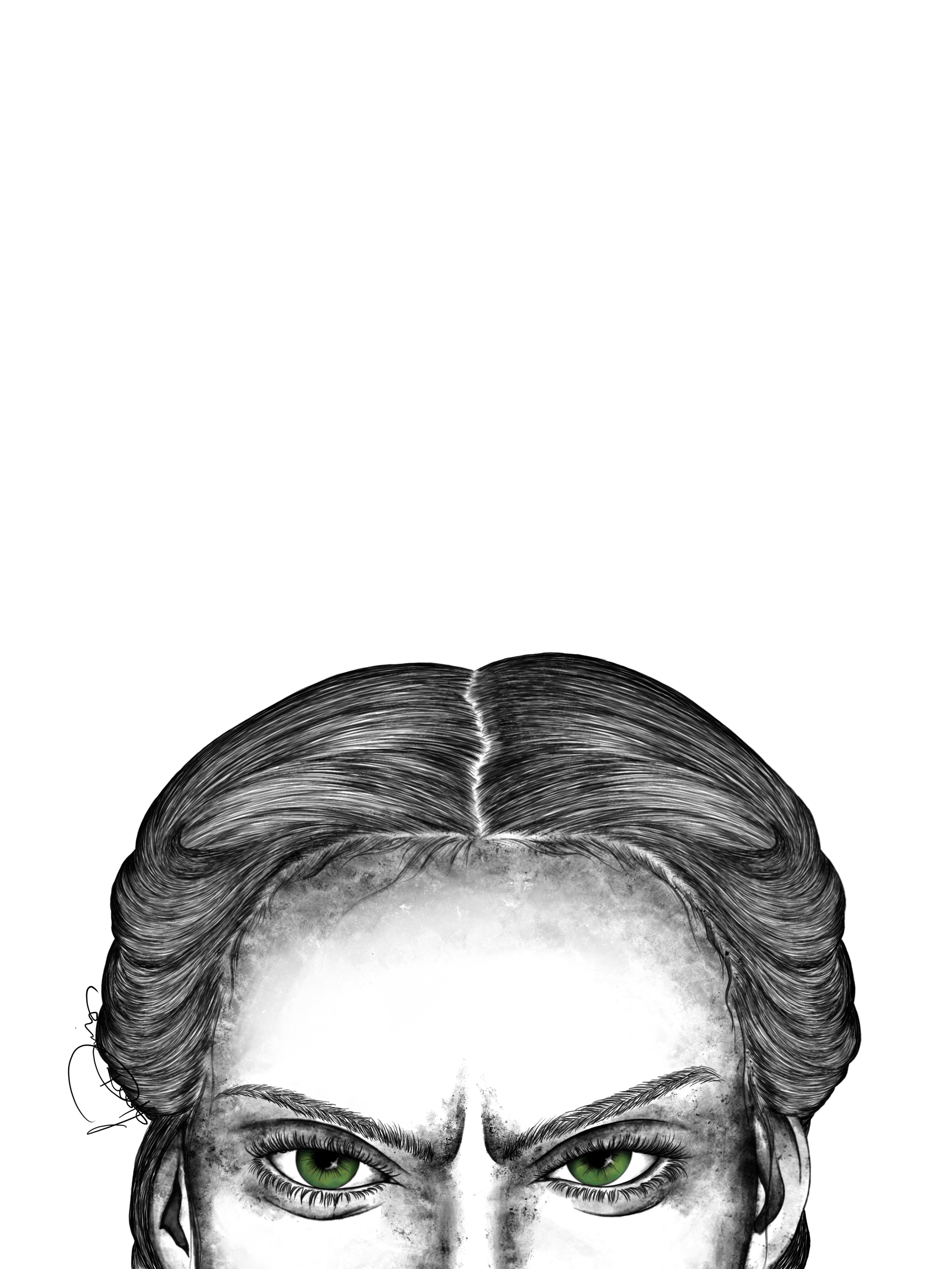
Thou tell’st me there is murder in mine eye. ‘Tis pretty, sure, and very probable That eyes, that are the frail’st and softest things, Who shut their coward gates on atomies, Should be called tyrants, butchers, murderers. Now I do frown on thee with all my heart, And if mine eyes can wound, now let them kill thee. As You Like It | Act 3, scene 5
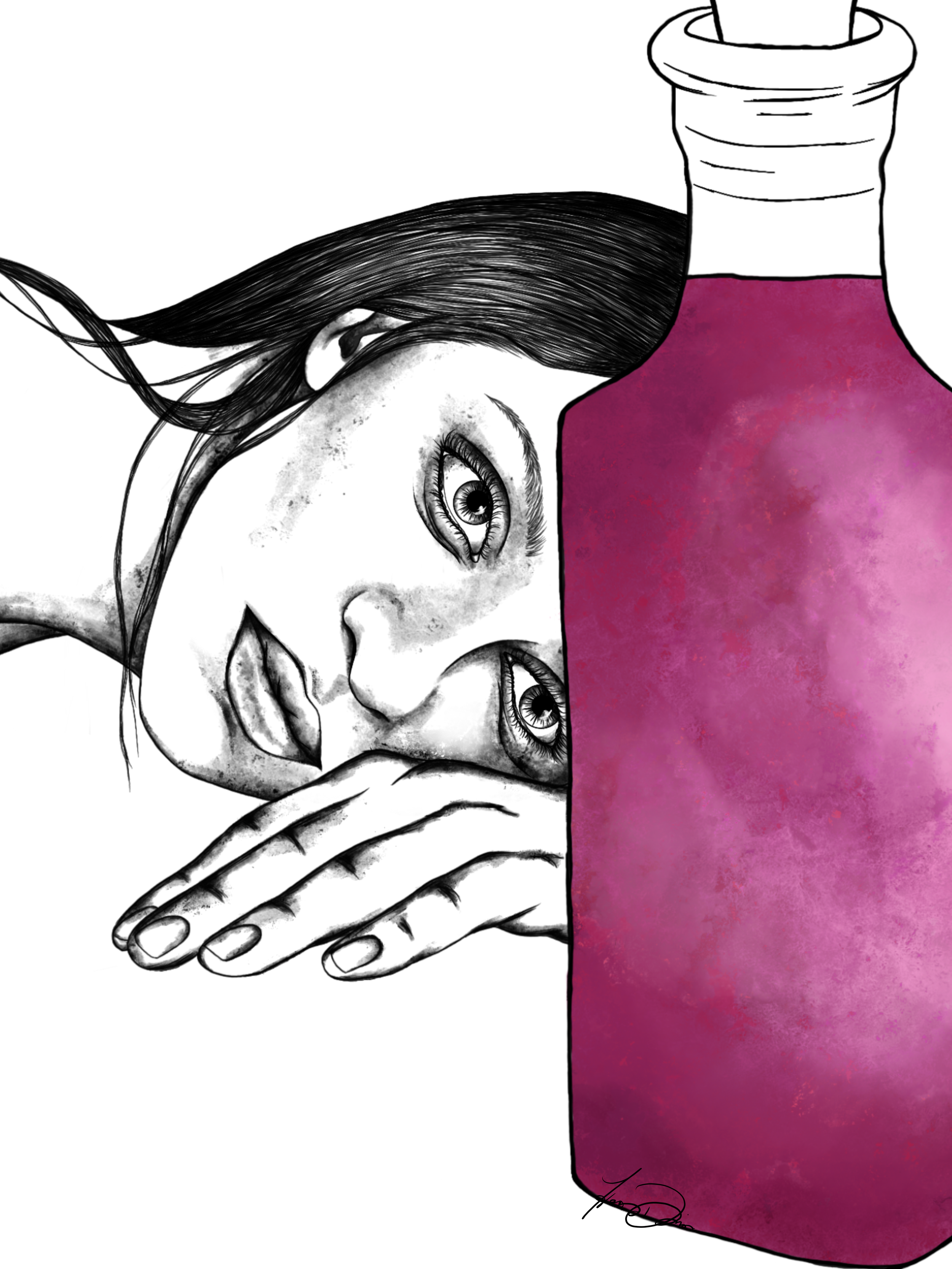
Take thou this vial, being then in bed, And this distilling liquor drink thou off; When presently through all thy veins shall run A cold and drowsy humor, for no pulse Shall keep his native progress, but surcease, No warmth, no breath, shall testify thou livest; The roses in thy lips and cheeks shall fade To wanny ashes, thy eyes’ windows fall Like death when he shuts up the day of life; Each part, deprived of supple government, Shall, stiff and stark and cold, appear like death. Romeo and Juliet | Act 4, scene 1
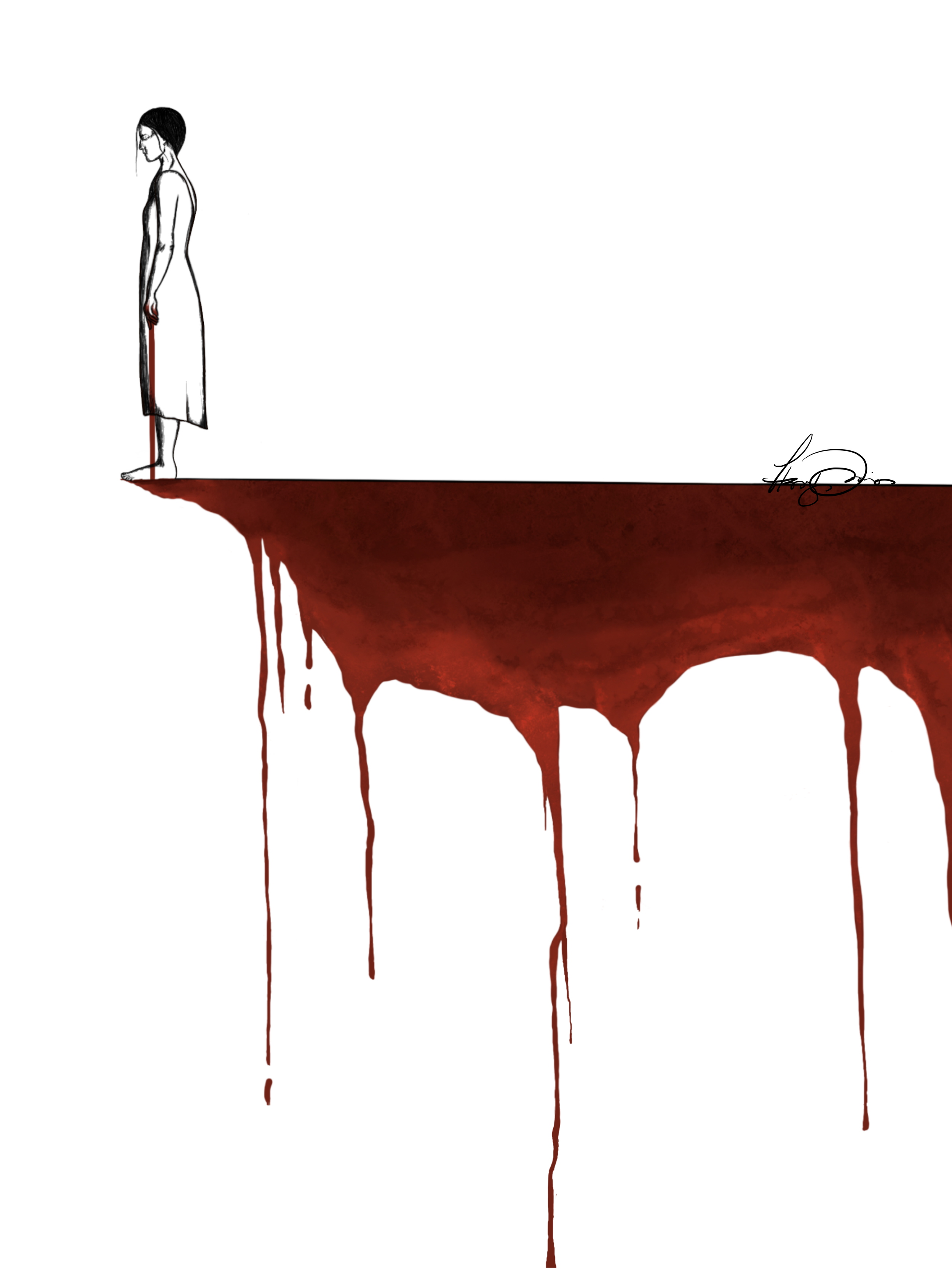
Out, damned spot, out, I say! Macbeth | Act 5, scene 1
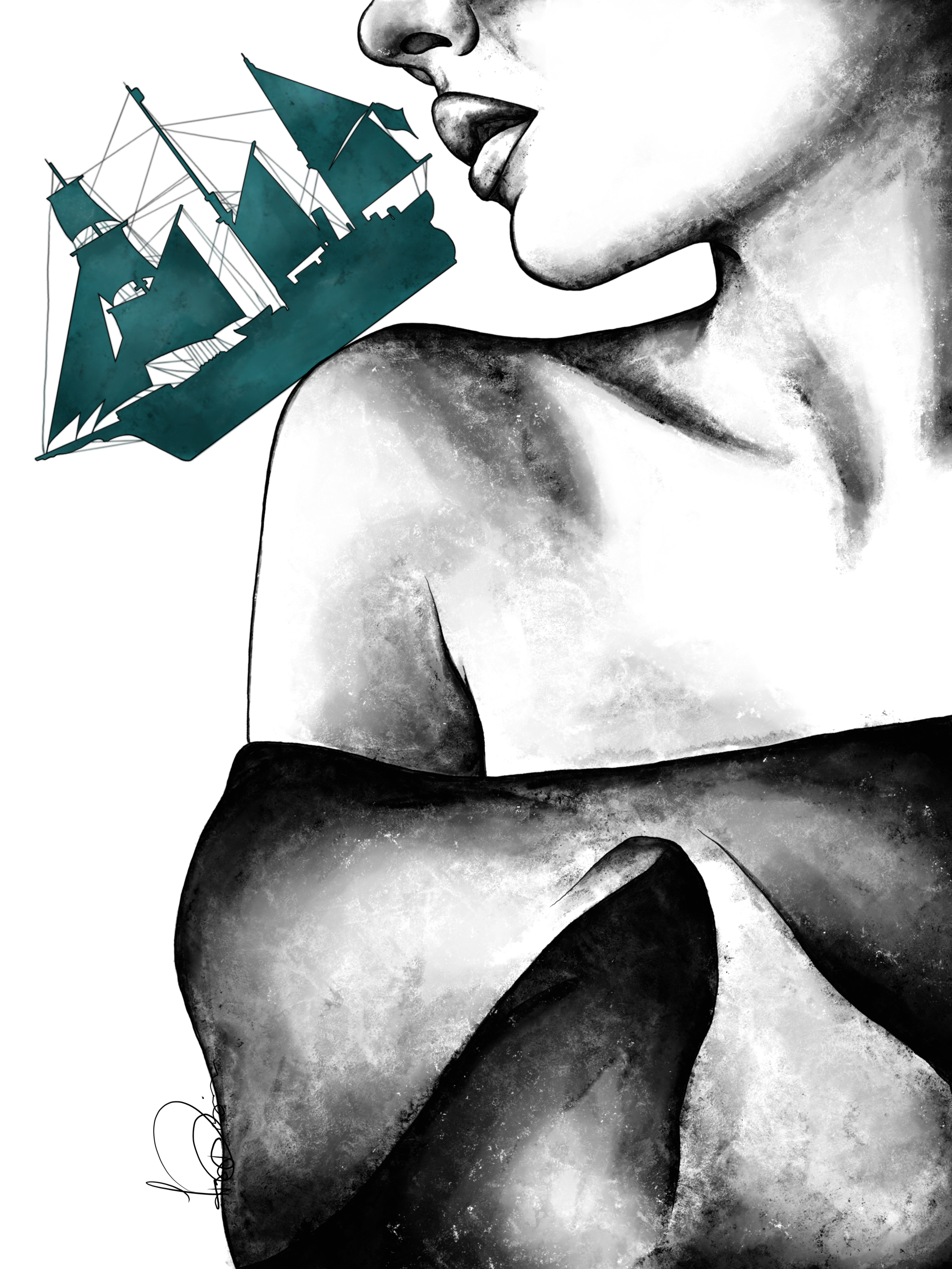
O, I have suffered With those that I saw suffer — a brave vessel Who had no doubt some noble creature in her Dashed all to pieces. O the cry did knock Against my very heart. Poor souls, they perished. Had I been any god of power I would Have sunk the sea within the earth or ere It should the good ship so have swallowed and The fraughting souls within her. The Tempest | Act 1, scene 2
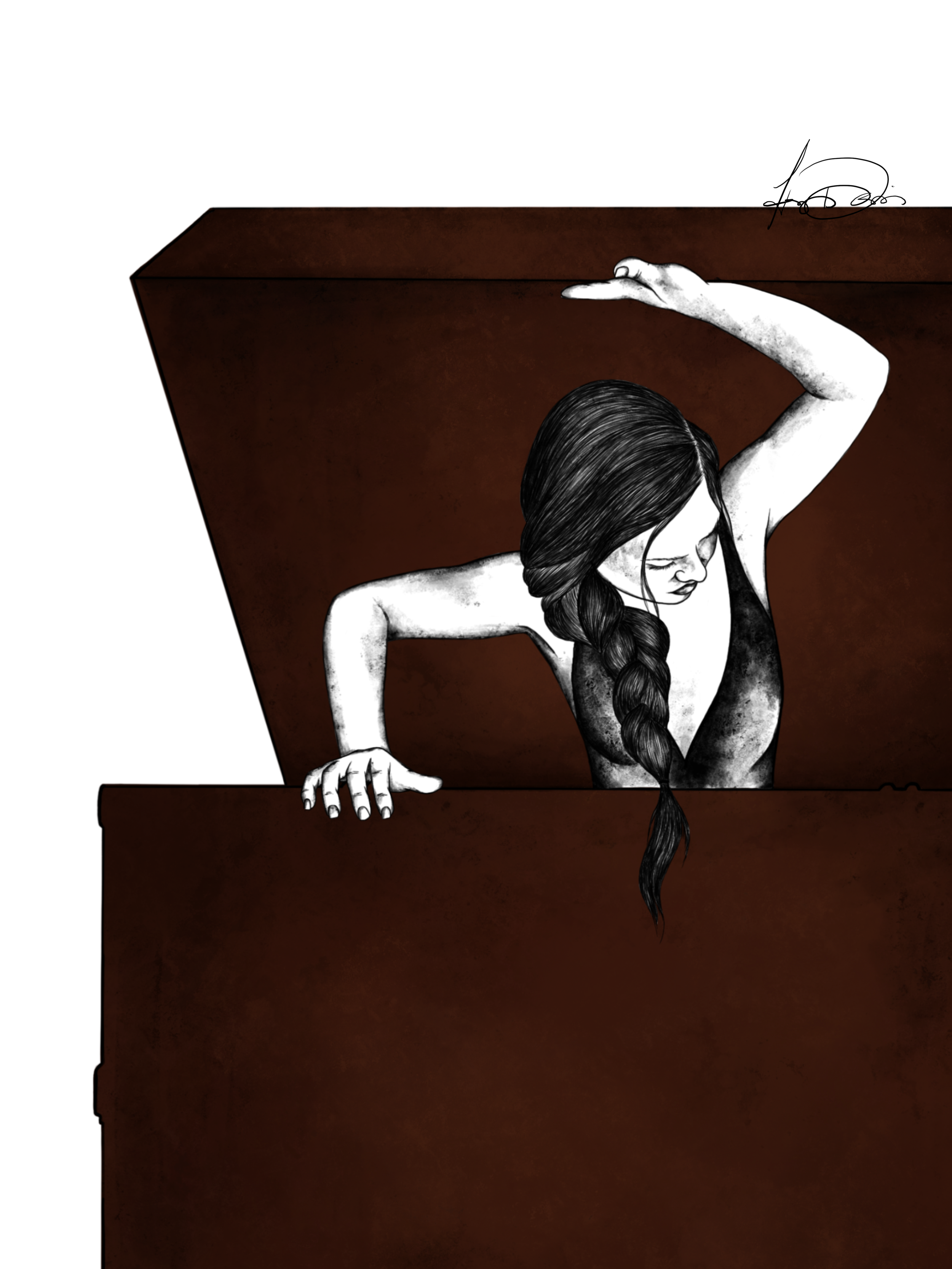
A terrible childbed hast thou had, my dear, No light, no fire. Th’ unfriendly elements Forgot thee utterly, nor have I time To give thee hallowed to thy grave, but straight Must cast thee, scarcely coffined, in the ooze, Where, for a monument upon thy bones And aye-remaining lamps, the belching whale And humming water must o’erwhelm thy corpse, Lying with simple shells. Pericles | Act 3, scene 1
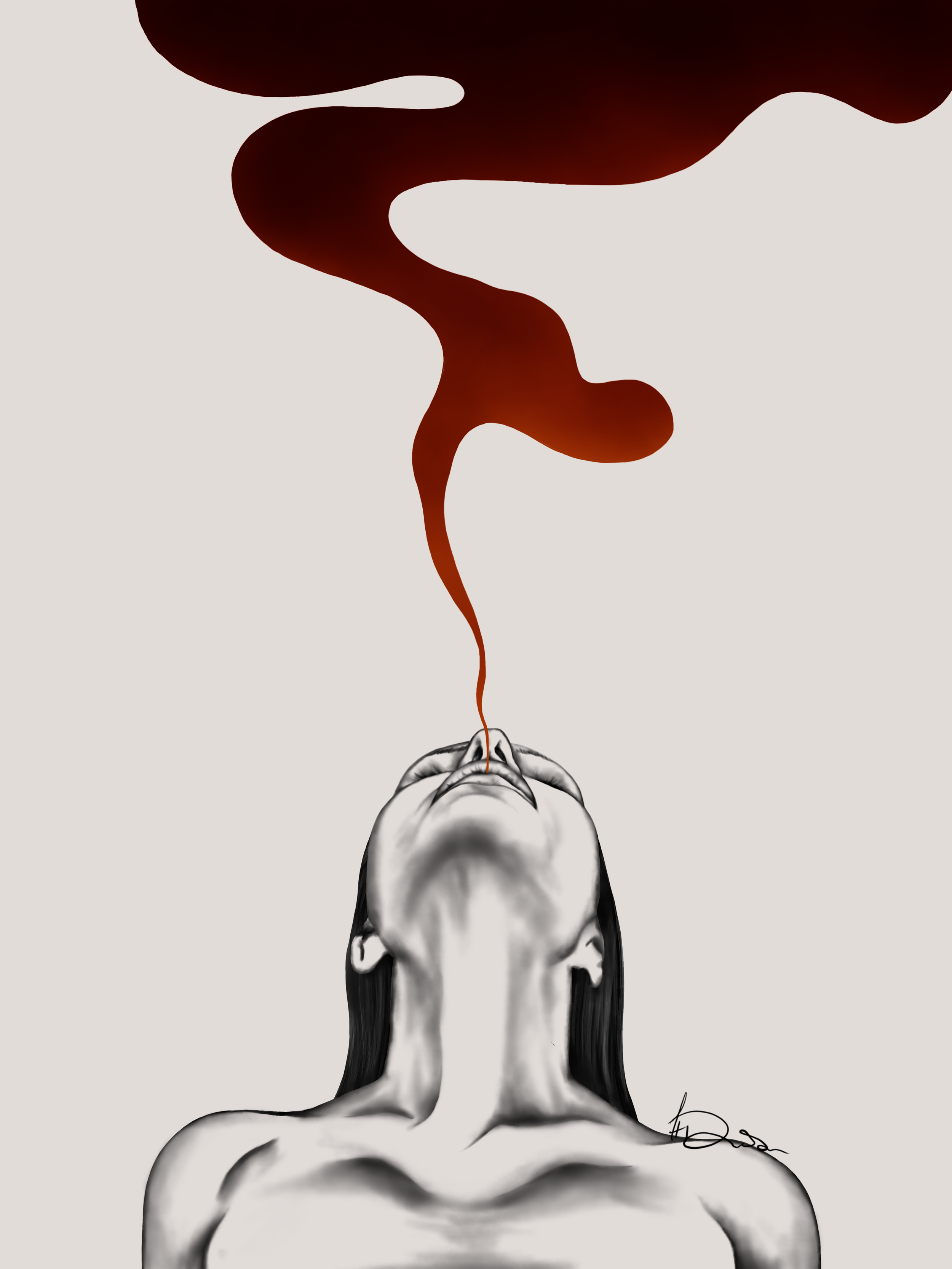
Portia Reimagined: Offstage Deaths Impatient of my absence, And grief that young Octavius with Mark Antony Have made themselves so strong—for with her death That tidings came—with this she fell distract And, her attendants absent, swallowed fire. Julius Caesar | Act 4, scene 3